 US
US
 China
China


Flexible Manufacturing
Mass production in high-volume manufacturing often comes with significant drawbacks and compromises, particularly a lack of flexibility. Production lines are typically designed for a single product, maximizing output to reduce costs. However, this approach may not be cost-effective for lower volume production runs and tends to limit the range of products a manufacturer is willing to produce. They usually stick to minimal tooling and only consider new products if volumes can be guaranteed to be very high.

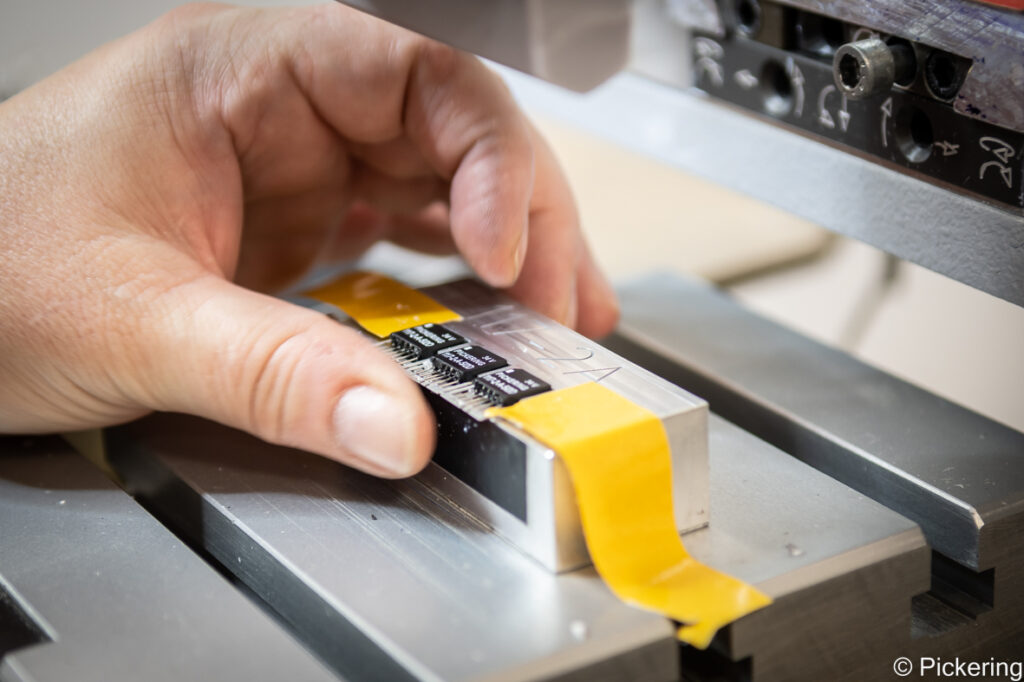
Drawbacks of Traditional High-Volume Manufacturing
- Limited Product Range: Manufacturers often avoid offering a varied product range due to the high initial costs of tooling and production setup.
- Inadequate Inspection and Testing: Cost-cutting measures can lead to limited or no inspection and testing. Errors may not be detected until after tens or even hundreds of thousands of parts have been produced, resulting in inferior products.
- Reluctance for Low Volume Production: Manufacturers may find it uneconomical to start production runs for lower volumes, making it difficult to cater to smaller orders or custom specifications.
Advantages of Modular Manufacturing
A modular manufacturing approach offers significant benefits for both manufacturers and users:
- Enhanced Flexibility: Modular systems allow for the production of a wider range of products. Customization is easily accommodated, enabling the production of parts tailored to specific applications.
- Improved Quality Control: Automation is used strategically to benefit the production process, not just to cut costs. Multistage inspection and testing are integrated into the process, ensuring higher quality products and better yields.
- Catering to Low Volume Needs: Lower volume requirements can be met more efficiently. Quick turnarounds for evaluation batches and prototyping help users bring their designs to market faster.
- Superior Product Performance: By avoiding the shortcuts common in low-cost manufacturing, modular manufacturing ensures that the focus remains on the performance and quality of the parts, rather than just the cost.
Conclusion
When comparing traditional high-volume manufacturing with a more flexible, modular approach, it is crucial to recognize that lower-cost parts are often cheaper for a reason. Savings achieved through reduced piece part quality or minimal inspection and testing can lead to inferior products. In contrast, flexible manufacturing prioritizes quality and customization, providing users with parts that better meet their needs and ensuring higher overall product performance. This approach, though potentially more expensive initially, results in greater long-term value and reliability.